
Benefits of Eating Heart
April 23rd, 2025
Ancient Wisdom of Eating the Heart
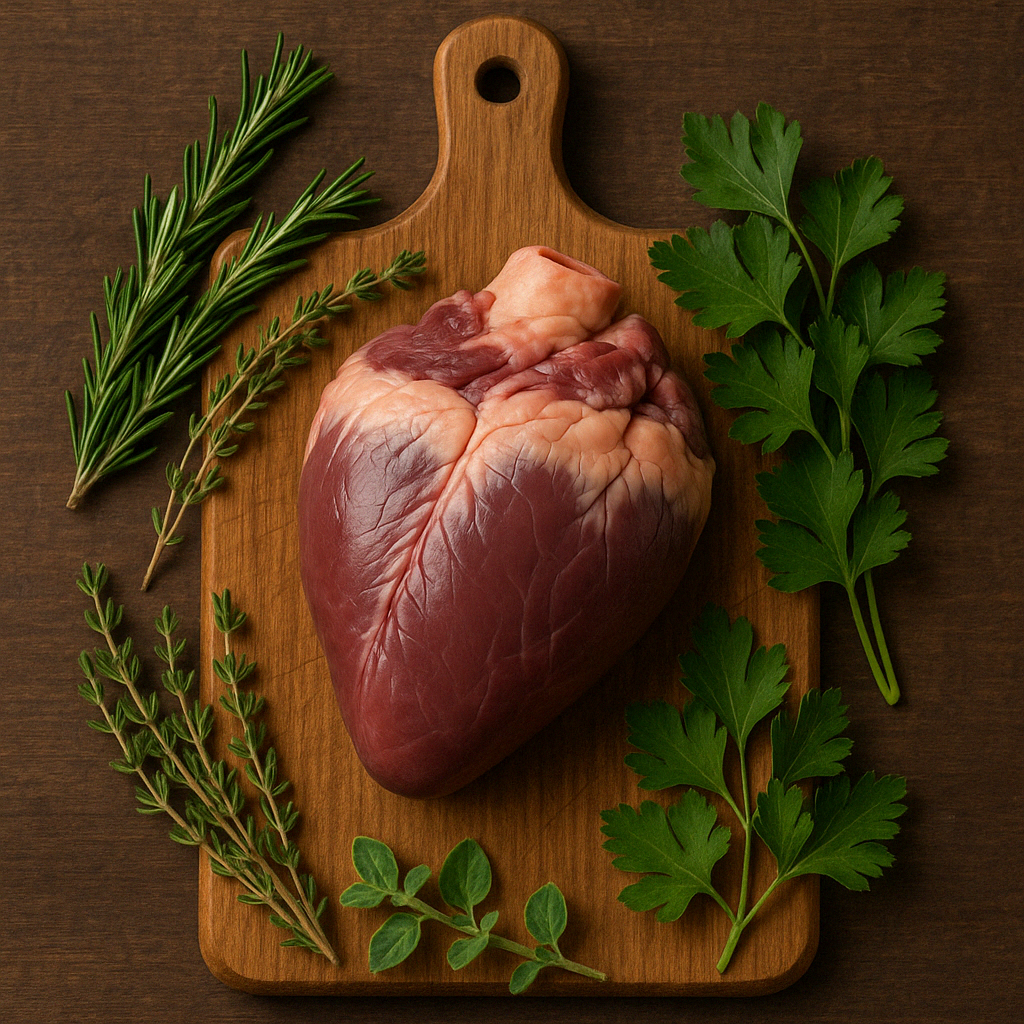
Most of us don’t wake up in the morning and crave eating beef heart for breakfast. But if you listen to the ancient saying “like supports like” and choose to eat beef heart, it can help support the well-being of your heart! Beef heart, like all the organ meats, contains vitamins and minerals essential for ensuring good function of all the bodily systems.

4 Main Nutrition Benefits of Beef Heart
- Beef heart is high in natural protein. Proteins in the body support the building and repairing of tissues and muscle growth. They also enhance immune function and maintain fluid balance. Beef proteins contain taurine, which naturally occurs in meats that contain protein and is an amino acid used for energy production.
- Beef heart is very rich in collagen. Getting enough collagen helps support the joints and connective tissue function. It can also have a desirable effect on the appearance of the skin by increasing elasticity and hydration, which can also reduce wrinkles and fine lines.
- Beef heart contains the antioxidant CoQ10. Coenzyme Q10 acts as an antioxidant that supports cells in producing energy and aids in heart health. It can help reduce the overall oxidative stress and inflammation of the heart.
- Beef heart contains essential vitamins and minerals that support immune function. Beef heart contains selenium, folate, iron, zinc, vitamins A, B2, B6, and B12.
- Selenium – Selenium supports thyroid health, immune function, reproduction, DNA synthesis, and protects against oxidative stress.
- Folate – Folate supports cell growth and development. It is needed for DNA and RNA synthesis. It is essential to be present at the time of conception and aid with cell division in the natural form of folate, not folic acid. It also helps support red blood cell production and heart health.
- Iron – Iron is a component of hemoglobin and aids in carrying oxygen from the lungs to the rest of the body. It also supports energy production, immune function, hormone production, and growth and development, especially in children.
- Zinc – Zinc supports immune function, growth and development, DNA synthesis, metabolism, and wound healing.
- Vitamin A – Vitamin A is essential for vision function, growth & development in children, immune function, reproductive function, skin health, and more. The liver can store natural vitamin A and uses it up quickly in times of stress, so it is essential not to be deficient in it.
- Vitamin B2 – Vitamin B2 is essential for converting food into energy and supporting energy production. This vitamin contributes to your overall vitality.
- Vitamin B6 – B6 helps support brain development, nerve function, red blood cell production, and the immune system.
- Vitamin B12 – B12 supports DNA synthesis, cell division, metabolism, red blood cell production, and nervous system function.
.
Conclusion & Other Resources
Beef heart, like beef liver (which you can read about in last week’s blog), is a powerhouse of wonderful, nutrient-dense nutrition for our bodies. Choosing to add it to your diet can boost your overall vitality and help you maintain essential vitamin and mineral levels when sourced from a cow that was given ample nutrition during its life. As always, I encourage you to further research on implementing organ meats into your diet and where they can best be sourced close to you.
Written By: Jessica